Tanks and equipment
Fuel has to be held somewhere before it is sold, and how it is held determines almost everything about the safety and the environmental exposure of a site.
Underground tanks
Traditional forecourt storage. Tanks sit below the forecourt slab, which keeps product cool and out of sight and removes the fire risk of a large above-ground vessel in a public area. The disadvantage is that a leak is invisible, which is why monitoring is not optional.
Modern installations use double-skinned tanks with the interstitial space monitored, so that a failure of either skin is detected before product escapes. Older single-skin tanks are progressively lined or replaced.
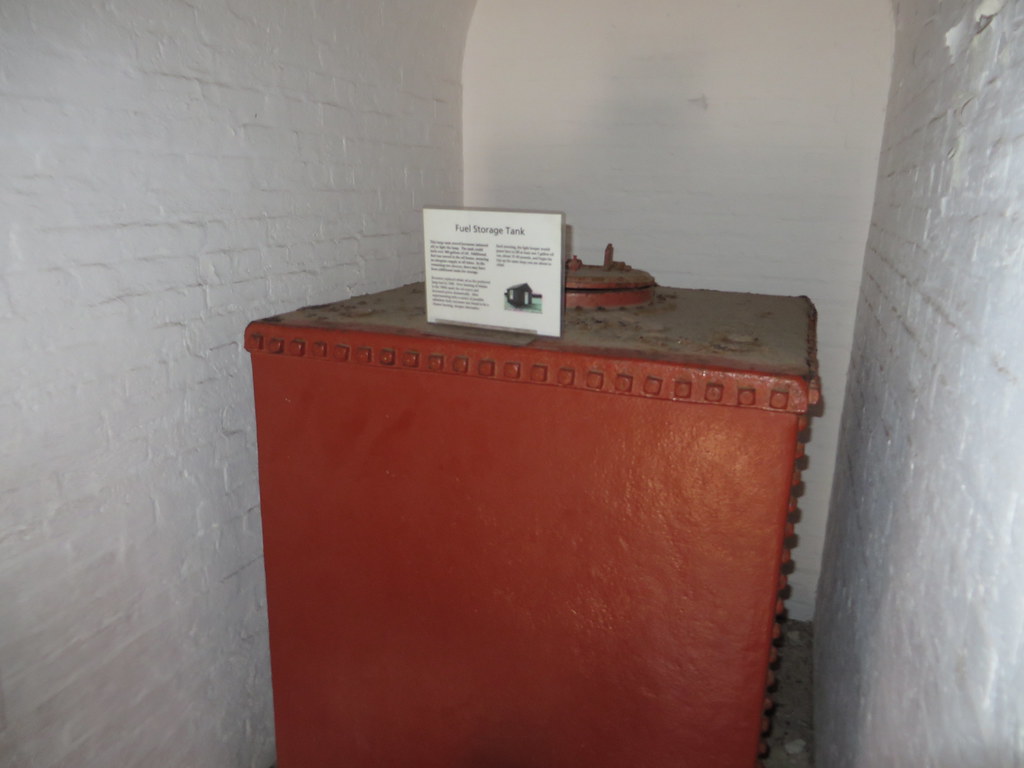
Above-ground tanks
Common on commercial and agricultural sites and for smaller installations. They are cheaper to install and far easier to inspect, but must be bunded: contained within a secondary vessel capable of holding the contents of the primary one, with an allowance on top.
An integrally bunded tank has that containment built in. The alternative, a masonry bund built around a tank, works but has to be maintained: a cracked bund with a blocked drain valve is no bund at all.
| Arrangement | Strength | Weakness |
|---|---|---|
| Underground, double skin | No fire load above ground, product kept cool, interstitial monitoring | Costly to install and to replace; leaks invisible without monitoring |
| Above ground, integrally bunded | Inspectable, containment built in, straightforward to install | Occupies space; exposed to impact and temperature |
| Above ground in masonry bund | Adaptable to an existing tank | Bund integrity depends on maintenance and on the drain valve |
| Mobile bowser | Fuel goes to the plant rather than the reverse | Carriage regulations apply; smaller capacity; needs secure storage |
Leak detection and reconciliation
Two independent methods are used together. Electronic gauges measure tank contents continuously and can detect a loss trend. Statistical reconciliation compares deliveries in, meter sales out and gauge readings, and flags a persistent discrepancy. Neither alone is conclusive; together they are how a small leak is caught early.
Bowsers
Where fuel must go to the machine rather than the machine to the fuel, a bowser does it. A road-towable bowser carrying fuel is subject to the regulations on the carriage of dangerous goods, which govern the vessel, its markings, its securing and the training of whoever tows it. A static site bowser used only within a site is treated differently.
The specification questions are the same either way: capacity, whether it is bunded, how it dispenses and meters, how it is filled, and how it is secured against theft: which, with fuel, is a live consideration.
Pipework and interceptors
Lines between tank and dispenser are increasingly double-contained with monitored interstitial space, for the same reason as the tanks. Surface water drainage passes through an interceptor so that any spill on the hardstanding is retained rather than discharged. Interceptors need emptying and inspection; a full one does nothing.